
Builder checklist every Australian should know
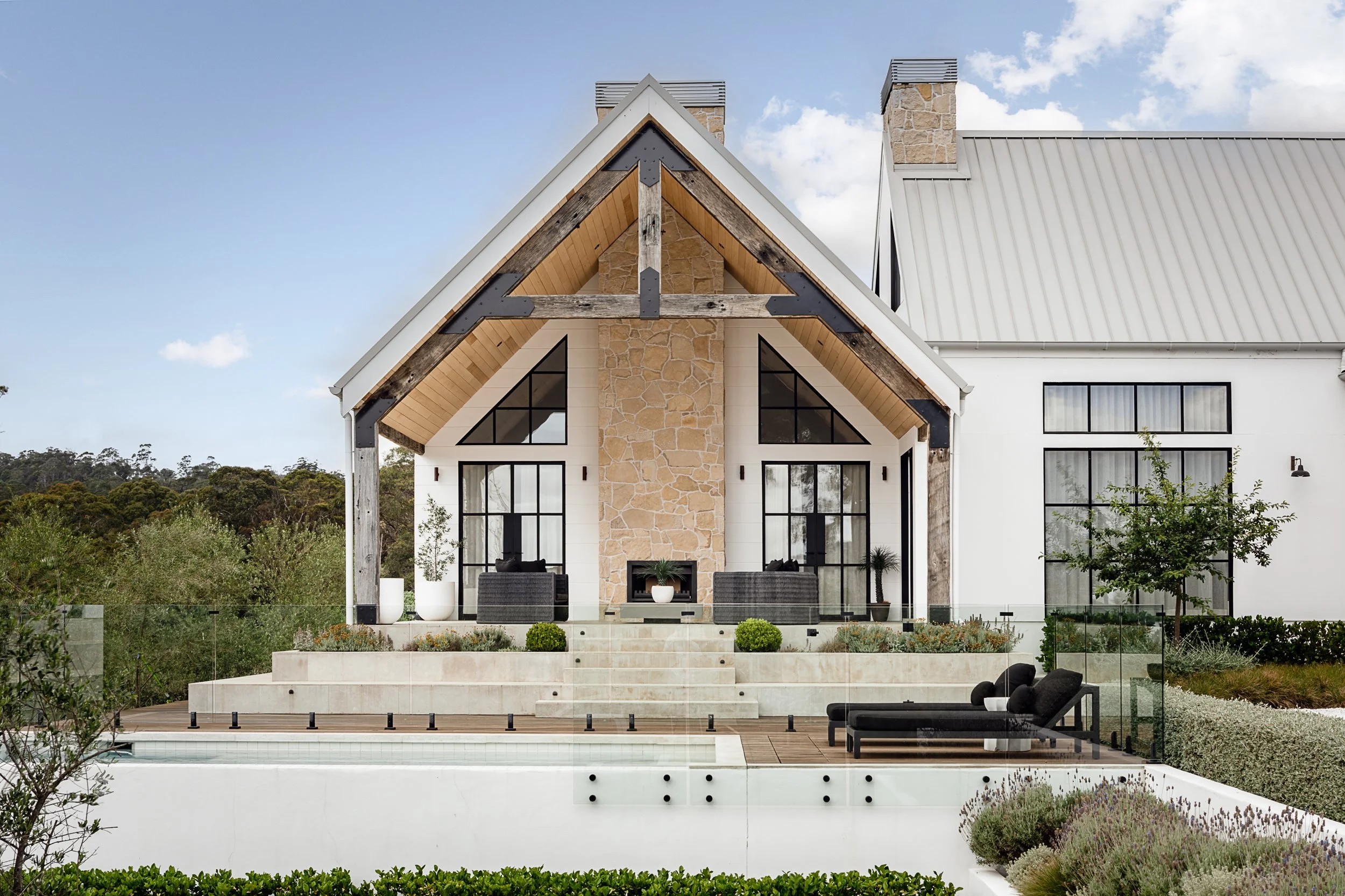
Picture this: A couple in northern NSW signed a building contract last year with a builder they trusted completely. Great reviews online, a polished website, a reasonable quote. The problem? No one checked whether the builder's licence was current before the deposit changed hands. It wasn't. When things went wrong mid-construction, they lost access to home warranty insurance and faced significantly reduced remedies, a situation that could have been avoided with a single five-minute check.
This builder checklist Australia guide exists precisely to prevent that kind of outcome.
Hiring a residential builder is one of the largest financial decisions most Australians will ever make. Yet many homeowners spend more time researching a new car than they do vetting the person responsible for building their family home. A clear, stage-by-stage checklist changes that. At Palm Built Homes, founder Eddie Palma actively encourages clients to run through exactly this kind of process before committing. A builder who welcomes scrutiny is a builder who has nothing to hide. That is the first quality signal worth noting.
Here is the complete builder checklist Australia homeowners should work through before signing anything.
1. Builder checklist Australia: Verify the builder's licence before anything else
A valid licence confirms that a builder has met the minimum competency and training requirements set by their state licensing authority, such as NSW Fair Trading, the Queensland Building and Construction Commission (QBCC), or the Victorian Building Authority (VBA). Without a current licence, you may lose access to statutory home warranty insurance and face limited remedies if the build goes wrong. Licence verification is non-negotiable, and it takes less time than making a coffee.
How to check a licence in your state
In NSW, use the Service NSW licence check tool. Search by name, licence number, or ABN and confirm the licence is current, not expired, suspended, or cancelled. The QBCC licence register covers Queensland, and the VBA maintains its own public register for Victoria. Each portal typically shows the licence class, expiry date, and current status, including whether a licence has been suspended or cancelled. The level of disciplinary history detail varies by jurisdiction, so check your state's register directly for the most complete picture.
What the licence class tells you
Not all licences cover the same scope of work. A builder licensed for full residential construction is different from one licensed only for a specific trade. Confirm the licence class matches your project type, whether that is a new custom home, a renovation, or an extension, before you take another step forward.
2. Confirm the right insurance cover is in place
A licensed builder should carry specific insurance as a condition of operating. You have every right to ask for evidence of it before signing. Insurance is not a formality. It is the financial buffer between you and a very expensive disaster.
Home warranty insurance and when it applies
In NSW and Victoria, builders must take out home warranty insurance for residential work valued above $20,000 before they can legally accept a deposit. In NSW, this is called home building compensation and it covers incomplete work, structural defects, and situations where the builder dies or becomes insolvent. The six-year cover period applies to major structural defects; two years covers other defects. Critically, the cover follows the property, which means it matters if you ever sell. (Note that Victoria updated its home warranty scheme from 1 July 2026, confirm the current requirements with the VBA before you proceed.)
WA has its own mandatory home indemnity insurance scheme with its own thresholds and trigger rules; the ACT operates a similar sale-triggered scheme. Each jurisdiction sets its own conditions, so do not assume they mirror NSW or Victoria exactly. Queensland's scheme operates differently, and owner-builders are generally excluded from it. Always confirm which scheme applies to your state and your specific project value before proceeding.
Public liability and contract works cover
Public liability insurance protects you if someone is injured on site or if neighbouring property is damaged during the build. Contract works insurance covers materials and the partially completed structure against damage or loss. Neither is always mandatory for licensed builders in every state, but both are standard practice for reputable builders. Ask for a current certificate of currency for each policy before construction starts.
3. Builder checklist Australia: Read the building contract carefully before you sign
A building contract is a legally binding document. In Australia, any residential building work above the relevant state threshold must be covered by a written contract, the exact monetary threshold varies by jurisdiction, so check with your state regulator (NSW Fair Trading, QBCC, or VBA) for the figure that applies to you. The contract defines exactly what you are getting, what you are paying, and what happens when something goes wrong. Treat it accordingly.
Clauses every residential building contract must include
Every contract should contain the builder's correct name and licence number, along with a fixed price or a clearly explained pricing formula. Look for a payment schedule tied to completed construction stages rather than arbitrary calendar dates, and check that start and completion dates are clearly defined. A variations clause requiring written sign-off before any changes begin is essential, as is a defects liability period. In NSW, most residential building contracts also include a five-business-day cooling-off period, which gives you time to reconsider after signing.
The deposit is also regulated. In NSW, the legal cap is 10% of the contract price. In Victoria, it is 5% for contracts of $20,000 or more. Queensland caps vary by contract value. South Australia limits deposits to $1,000 for contracts up to $20,000, or 5% for larger contracts. Know your state's rules and check the deposit request against them before handing over any money.
Red flags that should make you pause
Watch for progress payments that are not linked to completed stages, vague scope of work without attached plans and specifications, and compulsory arbitration clauses that limit your access to the state tribunal system. Any clause that removes or reduces your statutory warranty rights is a serious concern. If detailed plans and specifications are not attached to the contract at the time of signing, do not sign it.
4. Ask for references and review completed projects
A builder's reputation is visible in the people who have already hired them. Past clients are the most reliable source of information about how a builder actually communicates, manages problems, delivers on time, and finishes to quality. Any reputable builder will provide references without hesitation. Reluctance to provide them is itself an answer.
What to ask previous clients directly
When you speak with references, ask the questions that reveal the practical reality of the working relationship. Did the builder stick to the agreed budget and timeline? Were variations handled fairly and documented in writing? How did the builder communicate during the build, and how quickly did they respond to concerns? Would you hire them again? These questions surface far more useful information than any online review.
What to look for in completed work
If possible, visit a completed project or an active build site. Look at the quality of finishing joinery, the neatness of wet area waterproofing details, and the general tidiness of the site. A well-organised, clean site reflects how a builder manages every aspect of the project, not just the visible finishes.
5. Questions to ask your builder before you commit
This is the final conversation before a decision. These are not trick questions. A builder who is confident in their process will welcome all of them. If a builder becomes defensive or gives vague answers, that is useful information too.
Questions about approvals, timeline, and site management
Ask who is responsible for obtaining the development application, complying development certificate, or other council approvals required for your project. Ask for a realistic construction timeline specific to your project type. Find out who the site supervisor is and how often they will be on site. Confirm whether you will have reasonable access to the site during construction and how you will receive progress updates. These questions establish accountability from day one.
Questions about variations, delays, and defects
Ask what the process is if you want to make a change after signing. Find out under what circumstances the contract price can increase, and what provisions exist for extensions of time if delays occur due to weather, material supply, or unforeseen site conditions. Getting clear, confident answers to these questions before signing protects you throughout the entire build:
Who obtains the DA, CDC, or relevant council approvals?
What is the realistic construction timeline for this project type?
Who supervises the site daily and how often are they physically present?
How are variations documented and priced before work proceeds?
What is the defects liability period and how are issues reported after handover?
Your checklist is a quality filter, not a hurdle
Use this builder checklist Australia at every stage to protect your build and your budget. The five steps are straightforward: check the licence, confirm the insurance, read the contract, call the references, ask the hard questions. None of this has to be confrontational. A builder worth hiring will pass every item on this list and treat the process as completely normal, because for them, it is.
At Palm Built Homes, Eddie Palma and the team build trust before they break ground. The Northern Rivers region has its own building considerations, including coastal construction standards, flood-prone land requirements, bushfire attack level ratings, and council planning rules that vary across Byron Shire, Ballina Shire, and Tweed Shire. Knowing those requirements inside out is part of what Palm Built Homes will bring to every project. Clients who arrive with questions are always welcome, because an informed client and a transparent builder make for a smoother build.
If you are planning a new home, a renovation, or an extension in the Northern Rivers region, reach out to the Palm Built Homes team and bring your checklist with you. That is exactly the kind of conversation they are here for.
